Maintaining a healthy and attractive outdoor space takes more than occasional mowing and watering. Many homeowners have questions about proper lawn care, irrigation, plant health, seasonal maintenance, and landscape upgrades. Understanding the basics can help protect your investment while keeping your property looking its best year-round.
Below are some of the most common landscaping and lawn care questions homeowners ask — along with professional guidance to help keep your landscape healthy and functional.
HOW OFTEN SHOULD I WATER MY LAWN?
Watering frequency depends on the season, soil conditions, grass type, and weather. In general, most lawns benefit from deep watering a few times per week rather than light watering every day.
According to the EPA WaterSense program, watering deeply and less frequently helps promote stronger root systems while reducing unnecessary water waste. Overwatering can lead to shallow roots, fungus, and unhealthy lawn conditions. (epa.gov)
WHY ARE THERE BROWN OR DRY SPOTS IN MY YARD?
Dry or uneven areas are often caused by:
- Poor sprinkler coverage
- Broken sprinkler heads
- Compacted soil
- Pet damage
- Improper drainage
- Inconsistent watering schedules
A professional irrigation inspection can usually identify these issues quickly and improve overall lawn health.
WHAT IS THE BEST TIME OF DAY TO WATER?
Early morning is typically the best time to water your lawn and plants. Watering during cooler morning hours reduces evaporation and allows moisture to soak deeper into the soil before the heat of the day.
Watering late in the evening may leave grass damp overnight, increasing the risk of disease and fungus growth.
HOW CAN I REDUCE WEEDS NATURALLY?
Healthy lawns and properly maintained landscape beds are one of the best natural defenses against weeds. Proper mowing height, mulch coverage, irrigation management, and regular maintenance help prevent weed growth while promoting healthier grass and plants.
Mulch and decorative rock also help reduce sunlight exposure to weed seeds while improving moisture retention.
HOW OFTEN SHOULD LANDSCAPING BE MAINTAINED?
Routine maintenance schedules vary depending on the property and season, but consistent upkeep is key to maintaining curb appeal and plant health. Lawn mowing, trimming, irrigation checks, pruning, fertilization, and seasonal cleanups all contribute to a healthier landscape.
Regular maintenance also helps catch drainage, irrigation, and plant health issues before they become expensive repairs.
WHAT ARE THE BENEFITS OF HARDSCAPING?
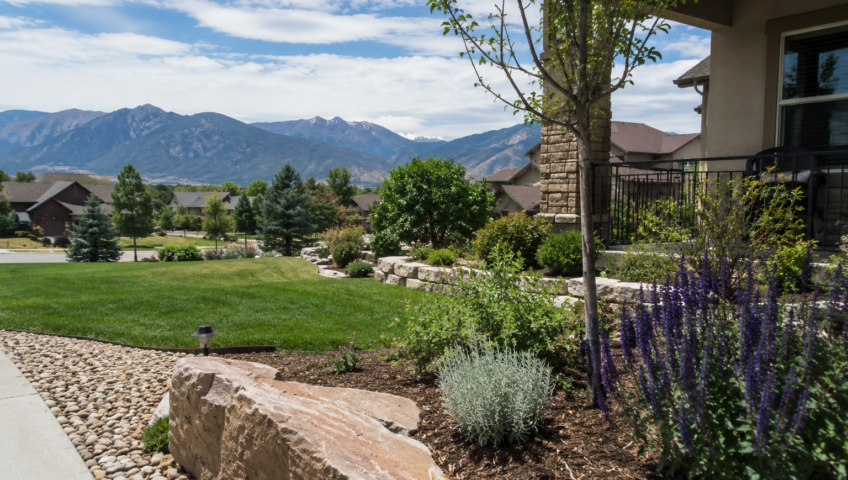
Hardscape features such as patios, walkways, retaining walls, and decorative stone add structure, functionality, and long-term value to your property. Professionally installed hardscapes reduce maintenance, improve usability, and create more enjoyable outdoor living spaces.
According to the American Society of Landscape Architects (ASLA), outdoor living projects like patios and walkways remain some of the most requested landscape upgrades nationwide. (asla.org)
WHY IS PROFESSIONAL IRRIGATION IMPORTANT?
A properly installed irrigation system helps maintain healthier lawns and landscapes while improving water efficiency. Smart irrigation systems and routine maintenance can reduce water waste, prevent dry spots, and improve overall plant health.
The EPA estimates that nearly half of outdoor residential water use is wasted due to inefficient watering methods and irrigation problems. (epa.gov)
KEEPING YOUR LANDSCAPE HEALTHY YEAR-ROUND
Every property is different, and successful landscaping depends on proper maintenance, efficient irrigation, quality materials, and seasonal care. Whether you need lawn maintenance, irrigation repairs, hardscape installation, or landscape upgrades, working with experienced professionals helps ensure long-term results.
At RH Landscape & Maintenance, we’re committed to helping homeowners throughout Northern Colorado create and maintain outdoor spaces that are healthy, functional, and built to last.